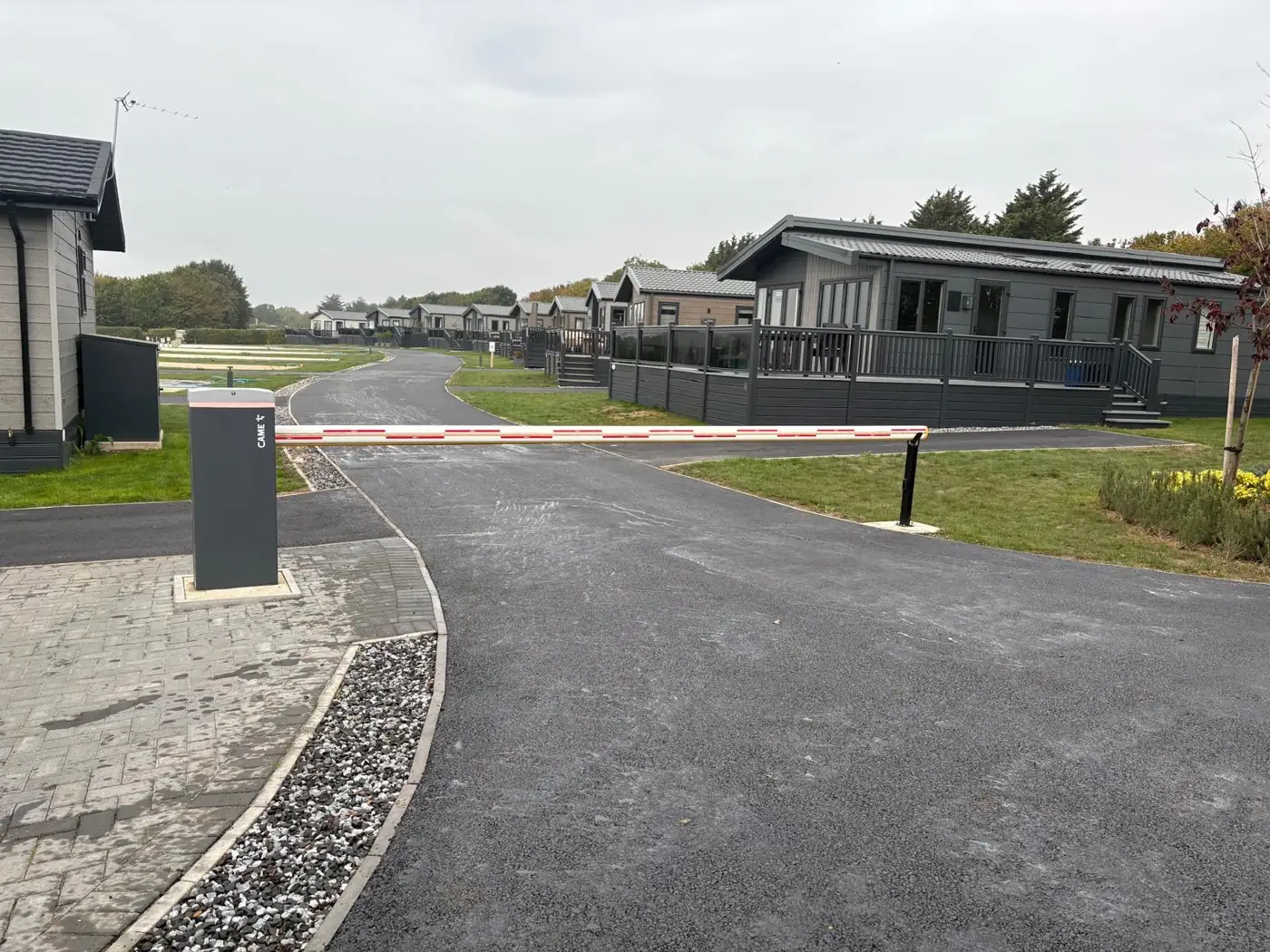
TRAFFIC CALMING

Speed humps installation across England

We install tarmac speed humps, speed cushions and speed tables to slow traffic on private roads, car parks, estates and school sites nationwide across England, with the signage and road markings to go with them.

  • Tarmac speed humps and speed tables
  • Speed cushions for narrower roads
  • Private roads, car parks, estates and schools
  • Free, no-obligation quote

FREE, NO-OBLIGATION QUOTE

Ask about speed humps

Prefer to talk? Call 01206 304660. See our privacy notice.

Family owned. Personally delivered.Own fleet and plant. No middlemen.Based in Essex. Working nationwide across England.

01 / OVERVIEW

Tarmac speed humps and speed tables

Most of our speed humps installation work is in tarmac, built into the road surface with the rise and length needed to slow vehicles without causing damage or discomfort at a sensible speed. A speed table is a longer, flat-topped version often used at a junction or crossing point, giving a wider platform than a standard hump.

We also lay speed cushions, which only cover part of the lane width so cars slow down but wider vehicles such as buses and emergency vehicles can straddle them with less disruption. These suit narrower estate roads and sites with specific vehicle types to consider.

Estate road surfacingTRAFFIC CALMING
Estate road surfacing

02 / SPEED HUMPS

Where speed humps are used

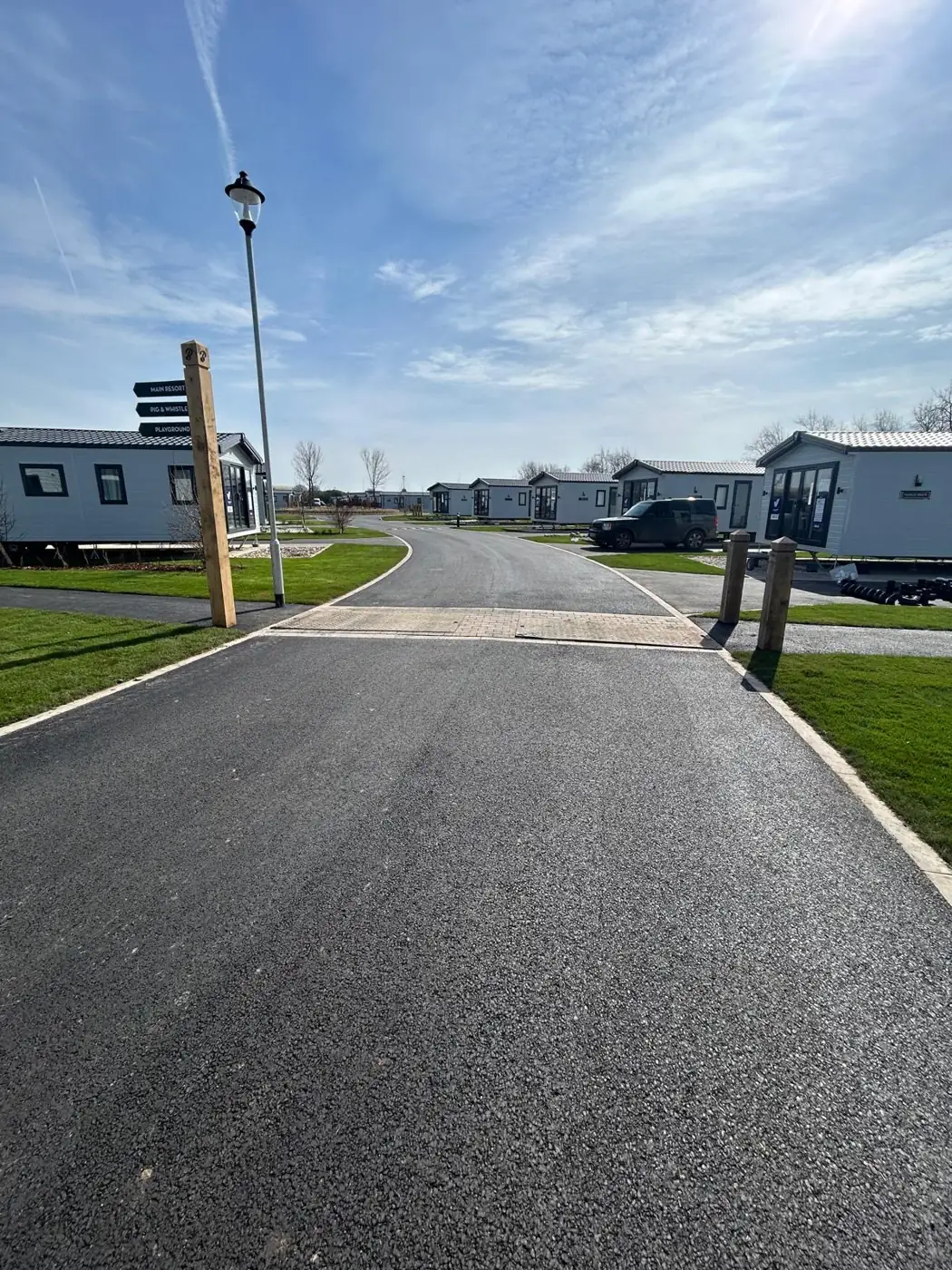
We install traffic calming on private roads, car parks, housing estates and school sites where the landowner wants to control vehicle speed.

03 / IN DETAIL

Speed humps, done properly

What goes into the job, and what to expect from us.

Estate road surfacing01

Speed humps on public roads

Speed humps on a public highway are different from those on private land. The highway authority has to approve and install them, and the Highways (Road Humps) Regulations 1999 set out requirements for their size, lighting and signing. If your scheme is on an adopted public road rather than private land, that approval sits with the highway authority, not with us.
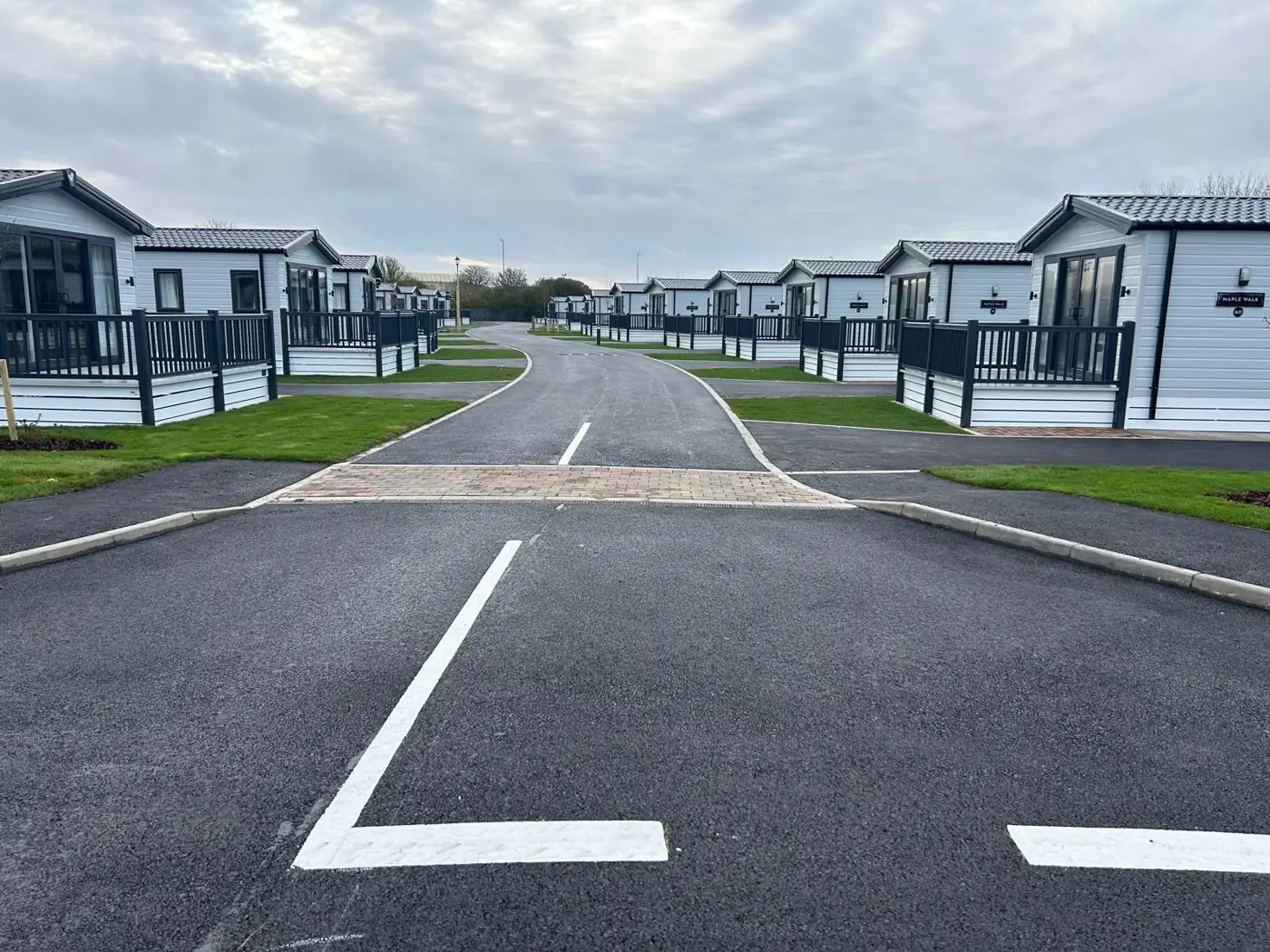
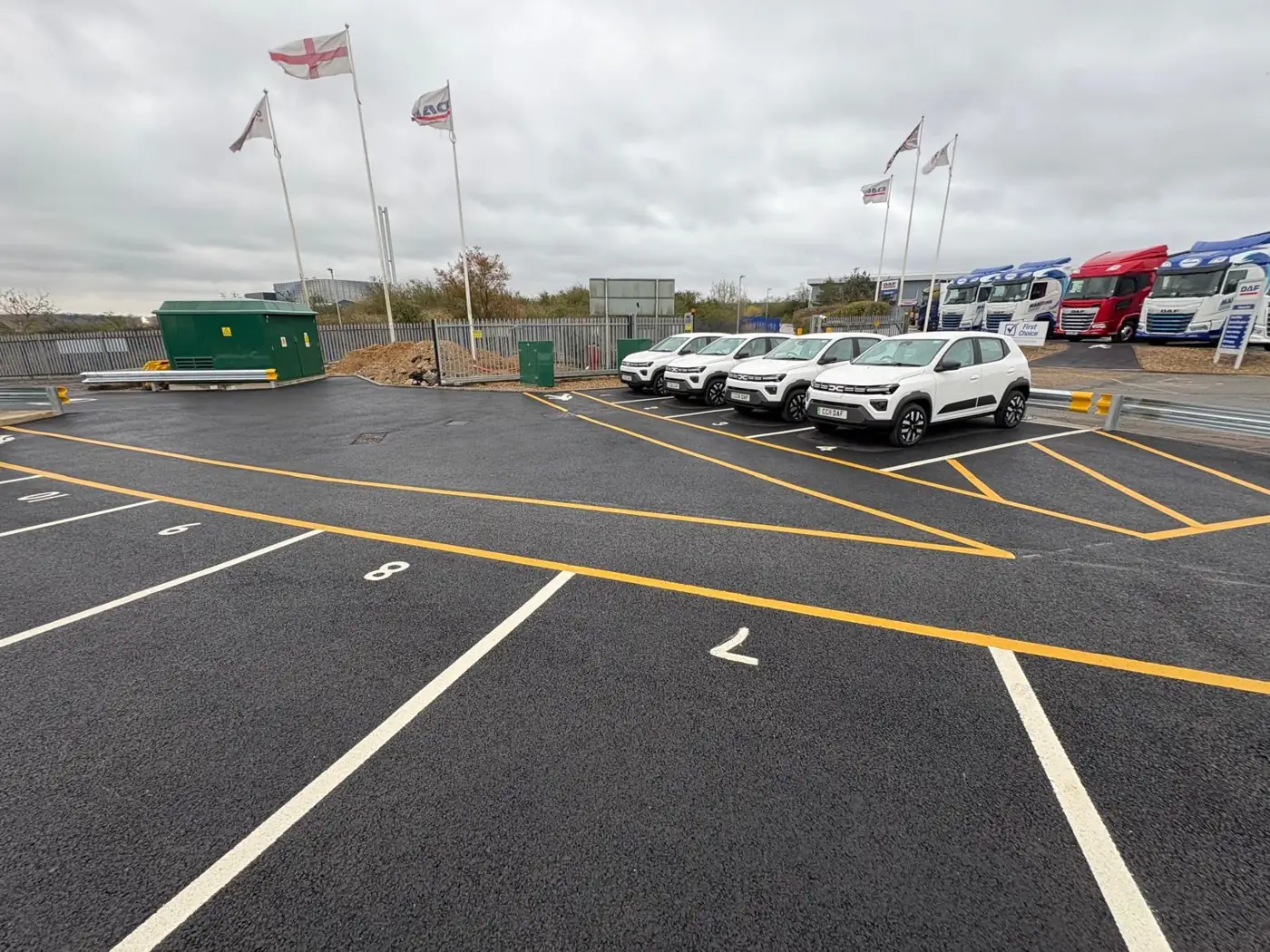
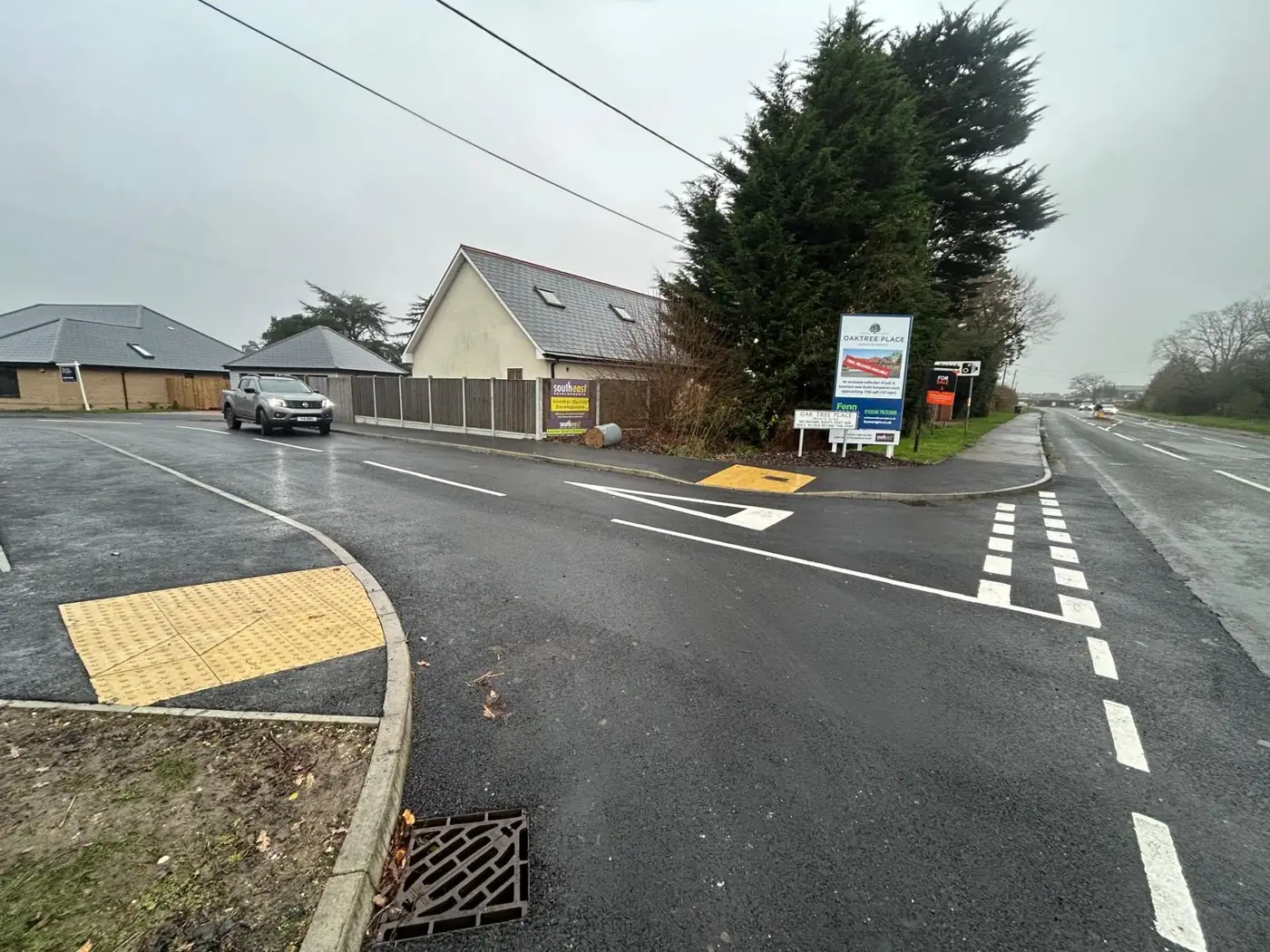
Road surface with white line markings on an estate road02

Signage and road markings

A speed hump needs clear warning for drivers, so we finish each scheme with the appropriate signage and road markings, including hatching and lane markings where needed, so the hump is visible well before a driver reaches it.

FAQS

Frequently asked questions

01

How long does it take to install a speed hump?

A single tarmac speed hump can often be built and compacted in a day, including the surrounding reinstatement. A scheme with several humps, speed cushions or tables across a site, plus signage and markings, will take longer. We'll give you a time frame once we've seen the layout you need.

02

Do I need permission to install a speed hump?

On private land, such as a car park or private estate road, it's generally up to the landowner, though we'll always advise on sensible spacing and signage. On a public highway, the highway authority controls speed humps and the Highways (Road Humps) Regulations 1999 set rules on their size, lighting and signs.

03

What's the difference between a speed hump and a speed cushion?

A standard speed hump runs the full width of the lane, slowing every vehicle equally. A speed cushion only covers part of the lane, so cars are slowed while wider vehicles like buses and emergency vehicles can straddle it with less disruption. Which one suits a site depends on the traffic using it.

04

How long do tarmac speed humps last?

A well built tarmac speed hump lasts as long as the surrounding road surface, provided it's laid and compacted properly. Heavy, repeated traffic and poor drainage around the hump can shorten its life, so good groundwork and surface finishing matter as much as the hump profile itself.

Need traffic calming installed

Tell us about your site and we'll arrange a convenient time to discuss a free, no-obligation quote for speed humps, cushions or tables.