RISING KERBS

Rising kerbs groundwork and surfacing across England

We carry out the groundwork, ducting, foundation and surfacing work around rising kerb and road blocker installations, working alongside the barrier supplier on commercial sites, car parks and private roads, nationwide across England.

  • Foundation and ducting for the barrier unit
  • Surface reinstatement around the installation
  • Car parks, commercial sites and private roads
  • Free, no-obligation quote

FREE, NO-OBLIGATION QUOTE

Ask about rising kerbs

Prefer to talk? Call 01206 304660. See our privacy notice.

Family owned. Personally delivered.Own fleet and plant. No middlemen.Based in Essex. Working nationwide across England.

01 / OVERVIEW

What is a rising kerb

A rising kerb, also called a road blocker, is a vehicle security barrier built into the road surface. It sits flush with the ground when lowered and rises to form a solid, kerb-shaped block when it needs to stop a vehicle passing. They're used to control access at car parks, commercial yards, gated developments and sites where vehicle entry needs to be managed or restricted.

Rising kerbs are used wherever a site needs to control which vehicles come and go, without a gate or barrier arm across the entrance.

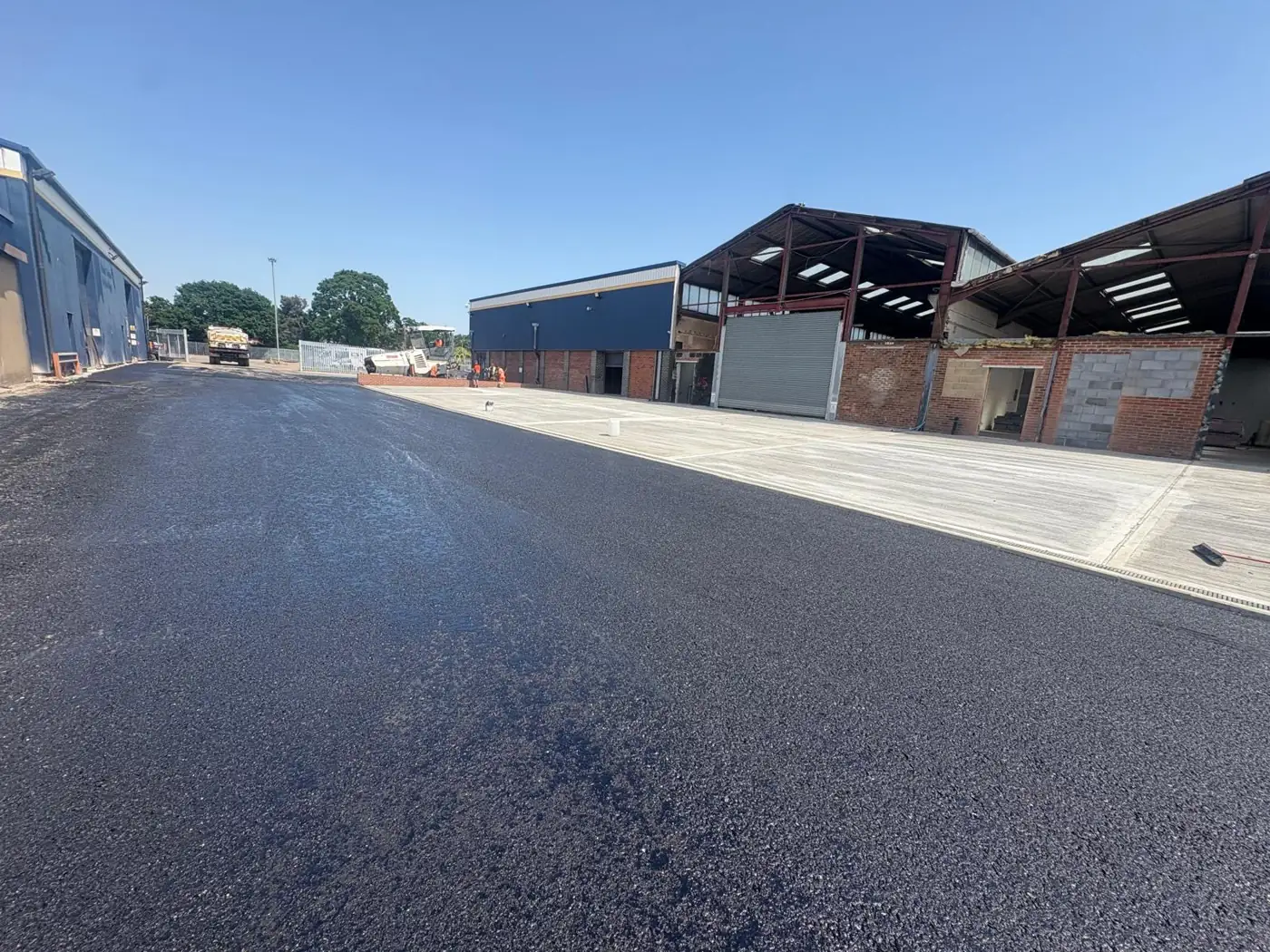
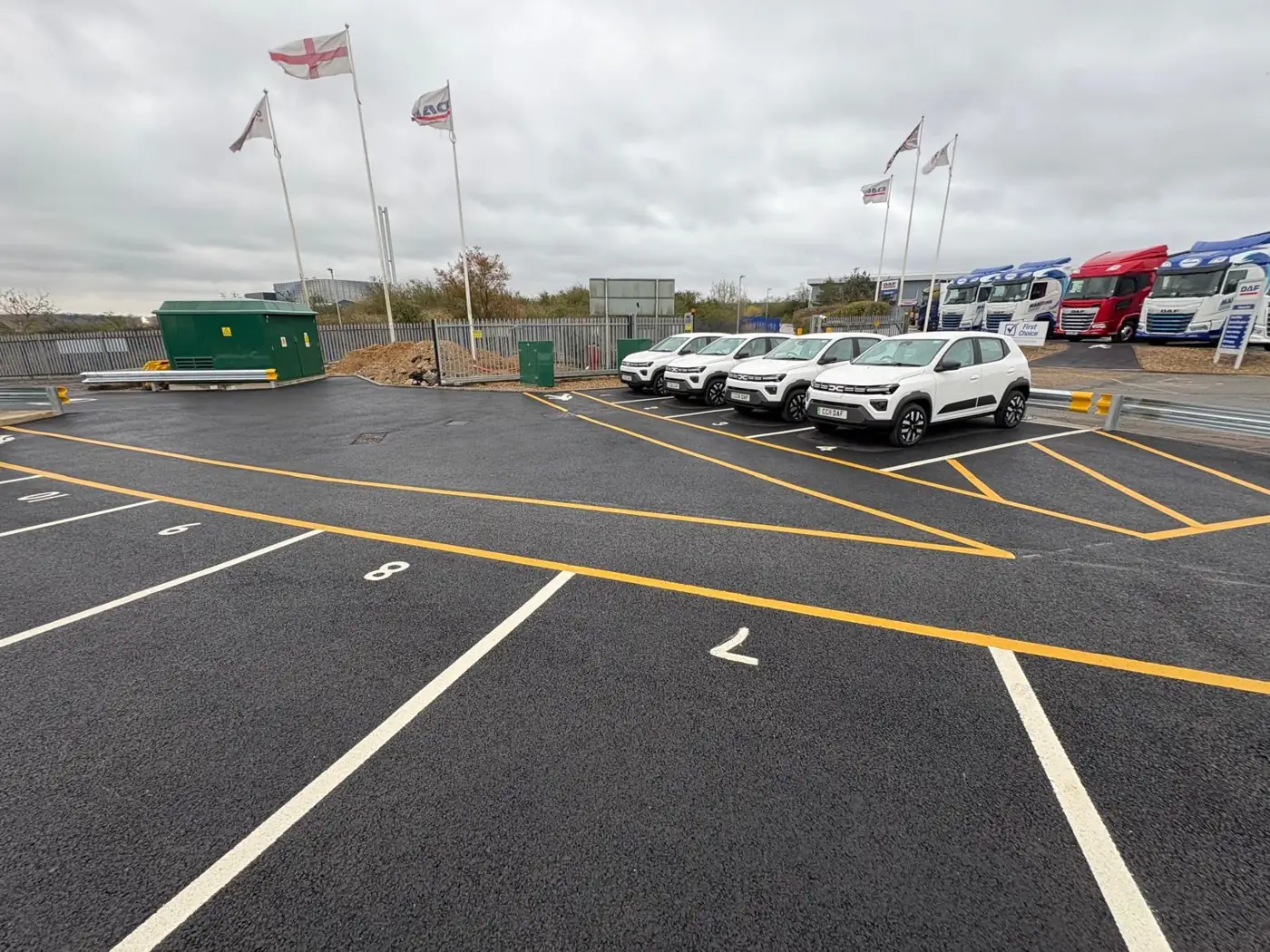
Car park and commercial surfacingRISING KERBS
Car park and commercial surfacing

02 / RISING KERBS

The groundwork and surfacing involved

Installing a rising kerb needs a proper foundation below road level to house the mechanism, along with ducting for its power and control cables. We prepare the excavation, lay the concrete foundation to the barrier manufacturer's specification, and reinstate the surrounding surface once the unit is in, matching it into the existing tarmac, block paving or concrete.

We don't manufacture or supply the rising kerb unit itself. We work alongside the specialist barrier supplier, handling the civil and surfacing side of the job so the installation sits cleanly in the finished surface.

03 / IN DETAIL

Rising kerbs, done properly

What goes into the job, and what to expect from us.

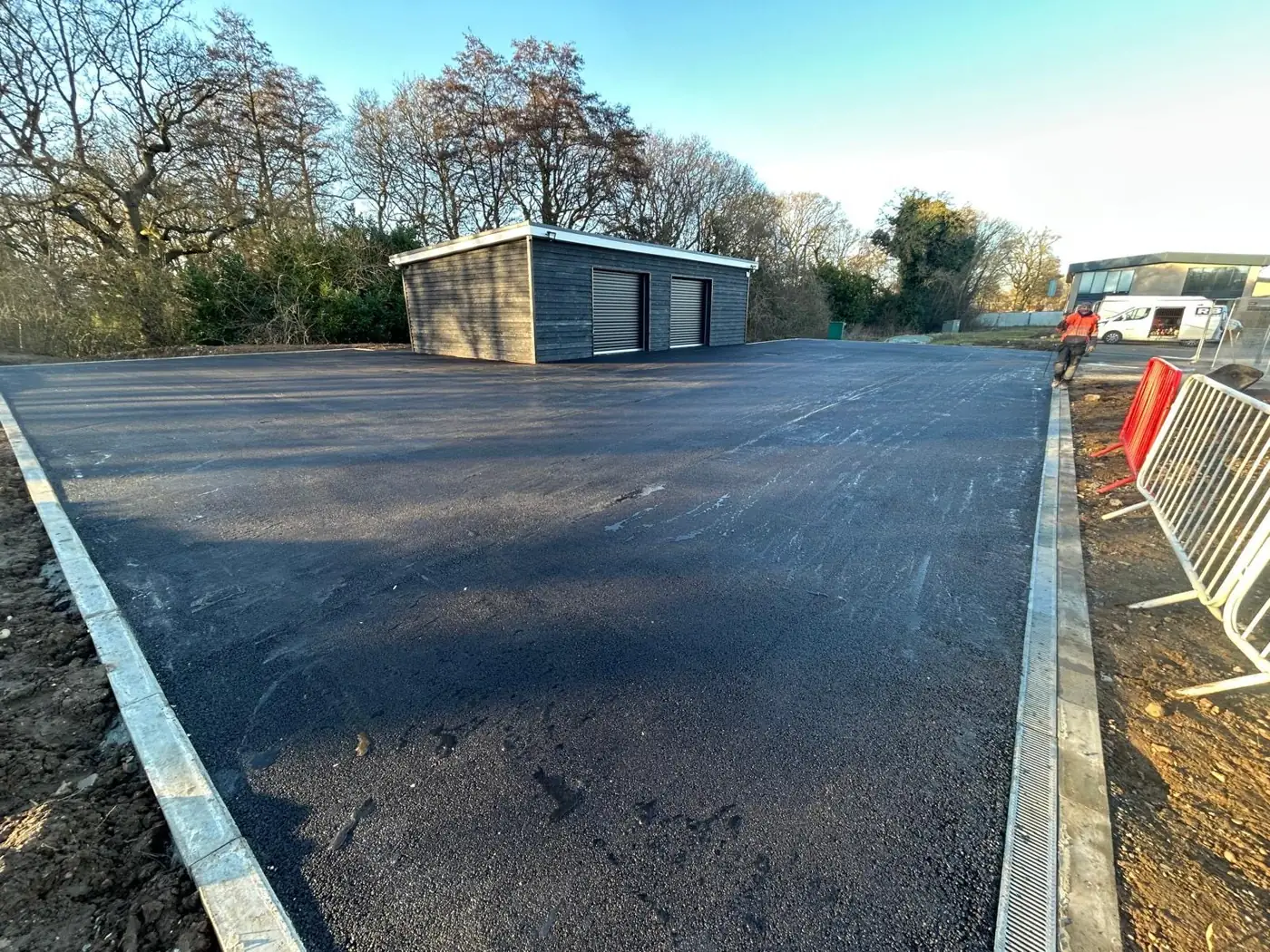
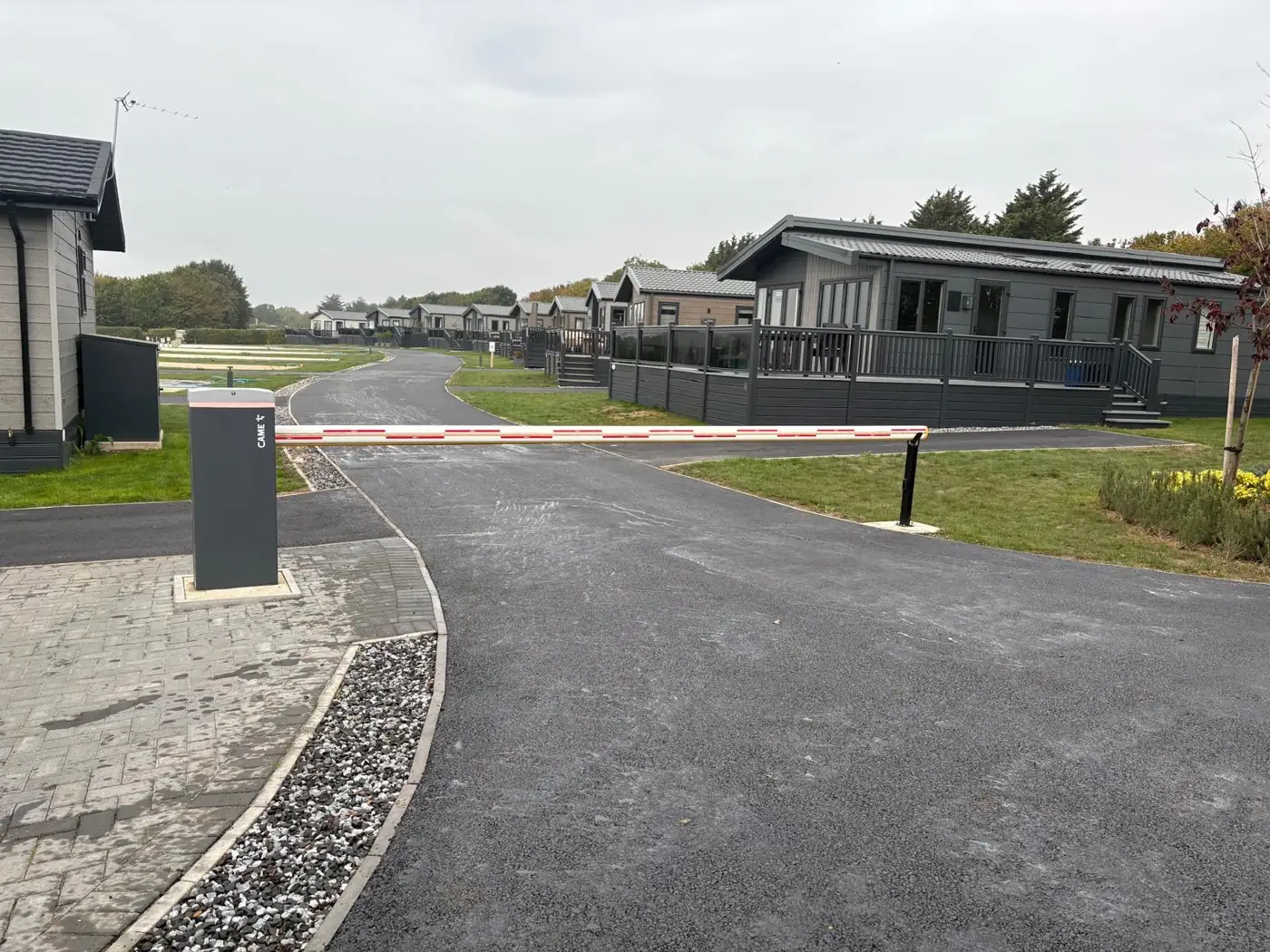
Car park entrance with surfacing around an access control point01

Where rising kerbs are used

You'll typically see rising kerbs at the entrance to car parks, commercial yards, gated estates and private roads where access needs to be restricted to permitted vehicles, or opened at set times. They're also used around loading bays and secure sites where a visible, physical barrier is wanted rather than a simple barrier arm.
FAQS

Frequently asked questions

01

Do you supply and install the rising kerb unit itself?

No. We carry out the groundwork, foundation, ducting and surface reinstatement around the installation. The rising kerb or road blocker unit and its control system come from a specialist barrier supplier, and we work alongside them on site to get the civil and surfacing work ready and finished.

02

How long does the groundwork for a rising kerb take?

It depends on the depth of foundation the barrier needs and the ground conditions on site. Excavation, the concrete foundation and ducting typically take a few days, and we'll usually need to come back to reinstate the surface once the barrier itself has been installed and tested.

03

Can a rising kerb be installed on a private road or car park?

Yes. Rising kerbs are commonly installed on private roads, car parks and gated sites to control vehicle access. On a public highway, you'd also need agreement from the highway authority, so check that before planning a scheme that affects an adopted road.

Planning a rising kerb installation

Tell us about your site and we'll arrange a convenient time to discuss the groundwork and surfacing, with a free, no-obligation quote.