KERBING

Kerbing contractors working across England

We lay precast concrete kerbs and edgings for driveways, paths, estate roads and car parks, set on a proper concrete bed so they stay put.

  • Driveway and path edgings
  • Kerb replacement and repair
  • New estates and car parks
  • Free, no-obligation quote

FREE, NO-OBLIGATION QUOTE

Ask about kerbing

Prefer to talk? Call 01206 304660. See our privacy notice.

Family owned. Personally delivered.Own fleet and plant. No middlemen.Based in Essex. Working nationwide across England.

01 / OVERVIEW

Kerbing for driveways, paths and car parks

As kerbing contractors working nationwide across England, we fit precast concrete kerbs and edgings as part of driveway, path, car park and estate road jobs. A kerb line gives a surface a clean, defined edge and holds the tarmac or paving in place at the boundary.

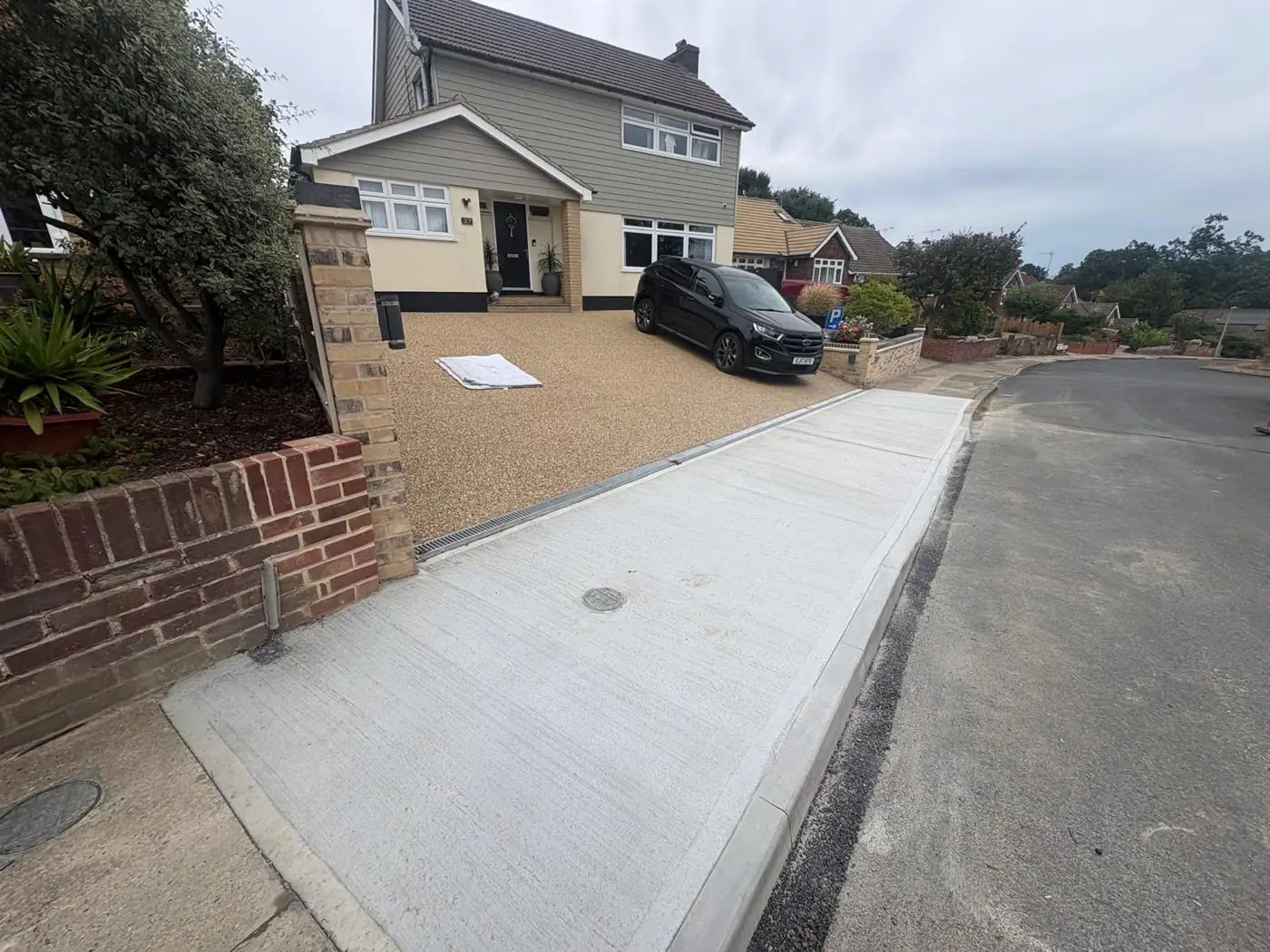
We'll match the kerb profile to the job, whether that's a low edging for a garden path, a bullnose kerb at a driveway entrance or a full-height kerb on an estate road.

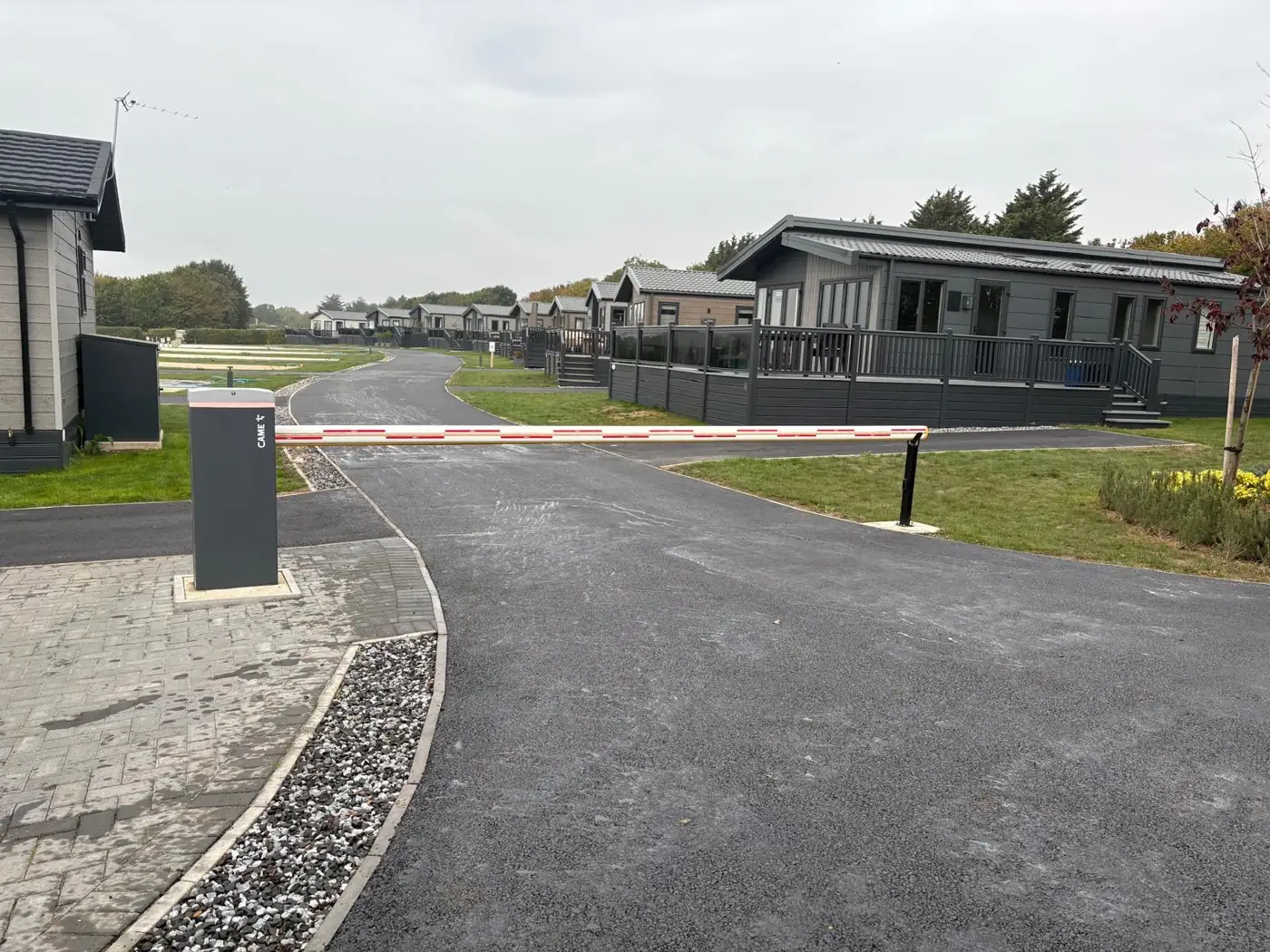
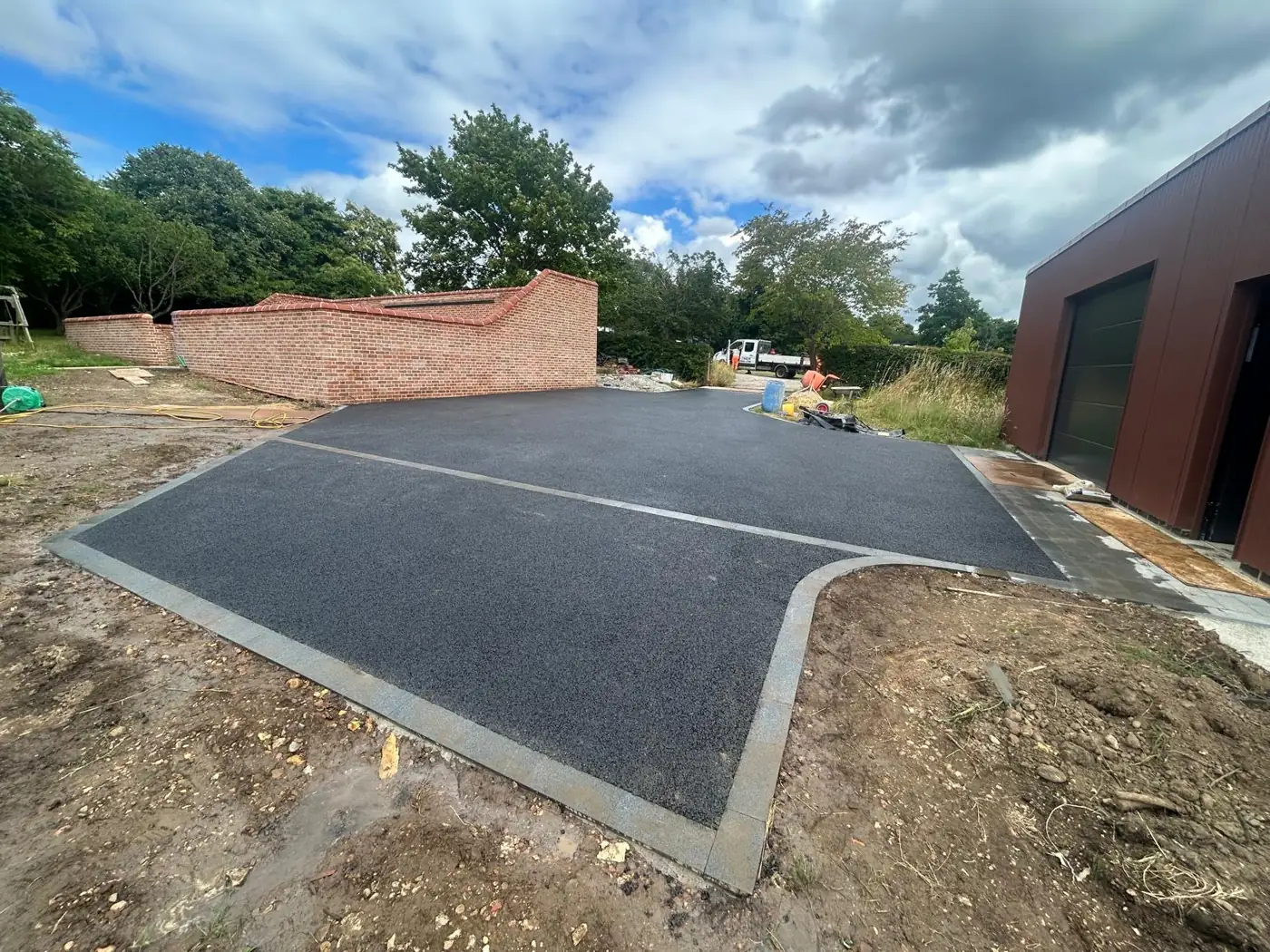
Kerb line being laid alongside a surfacing projectKERBING
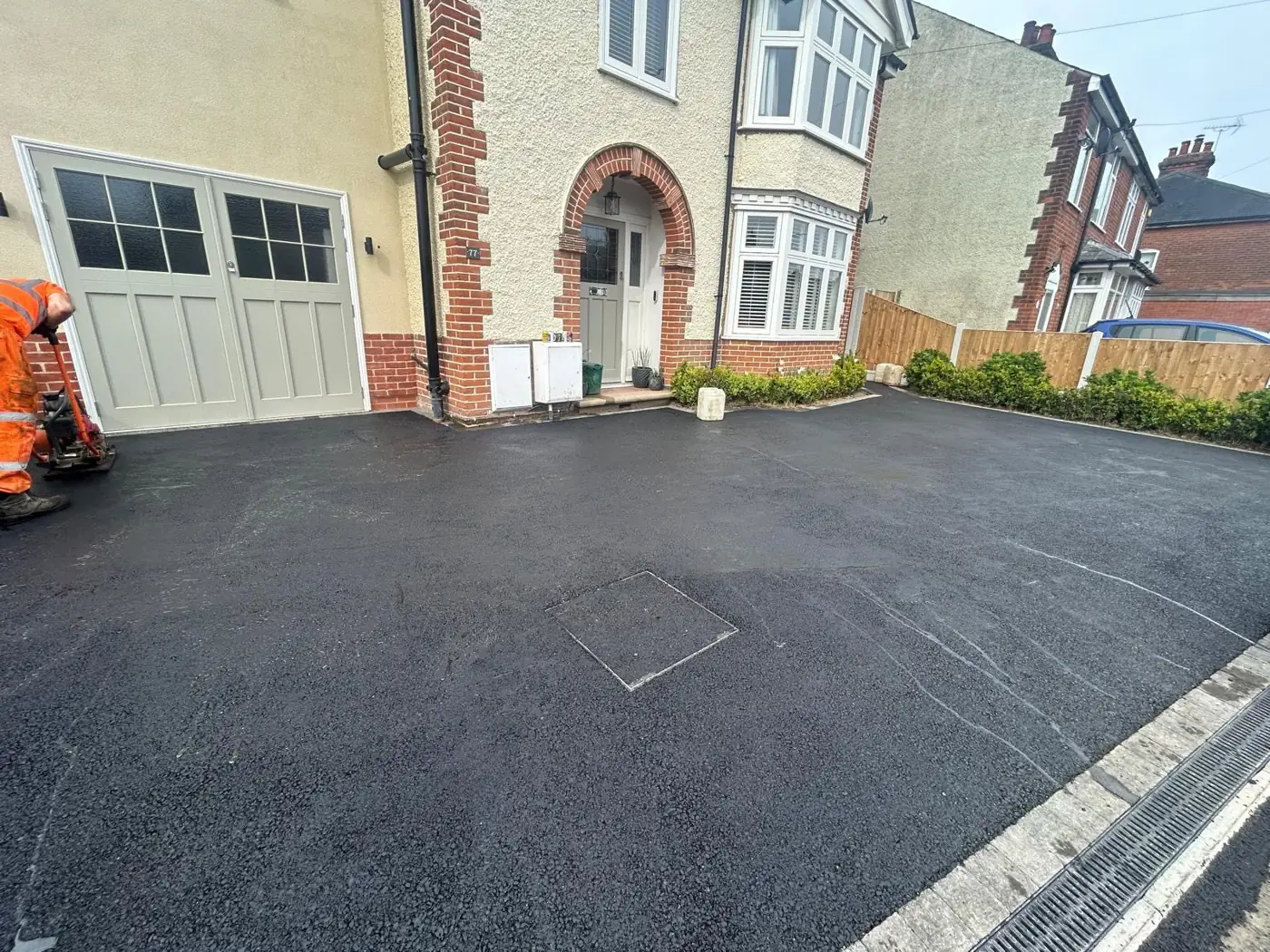
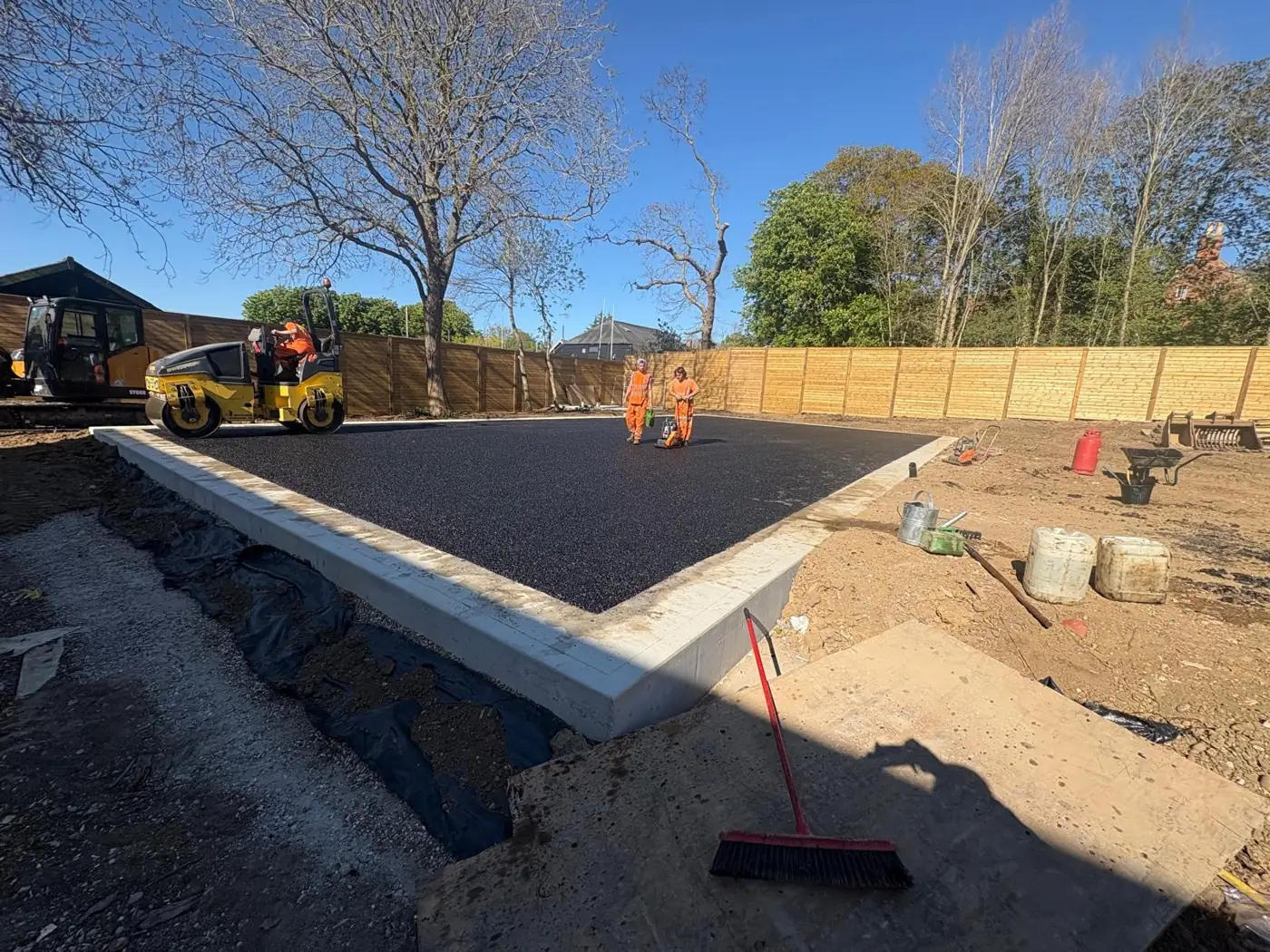
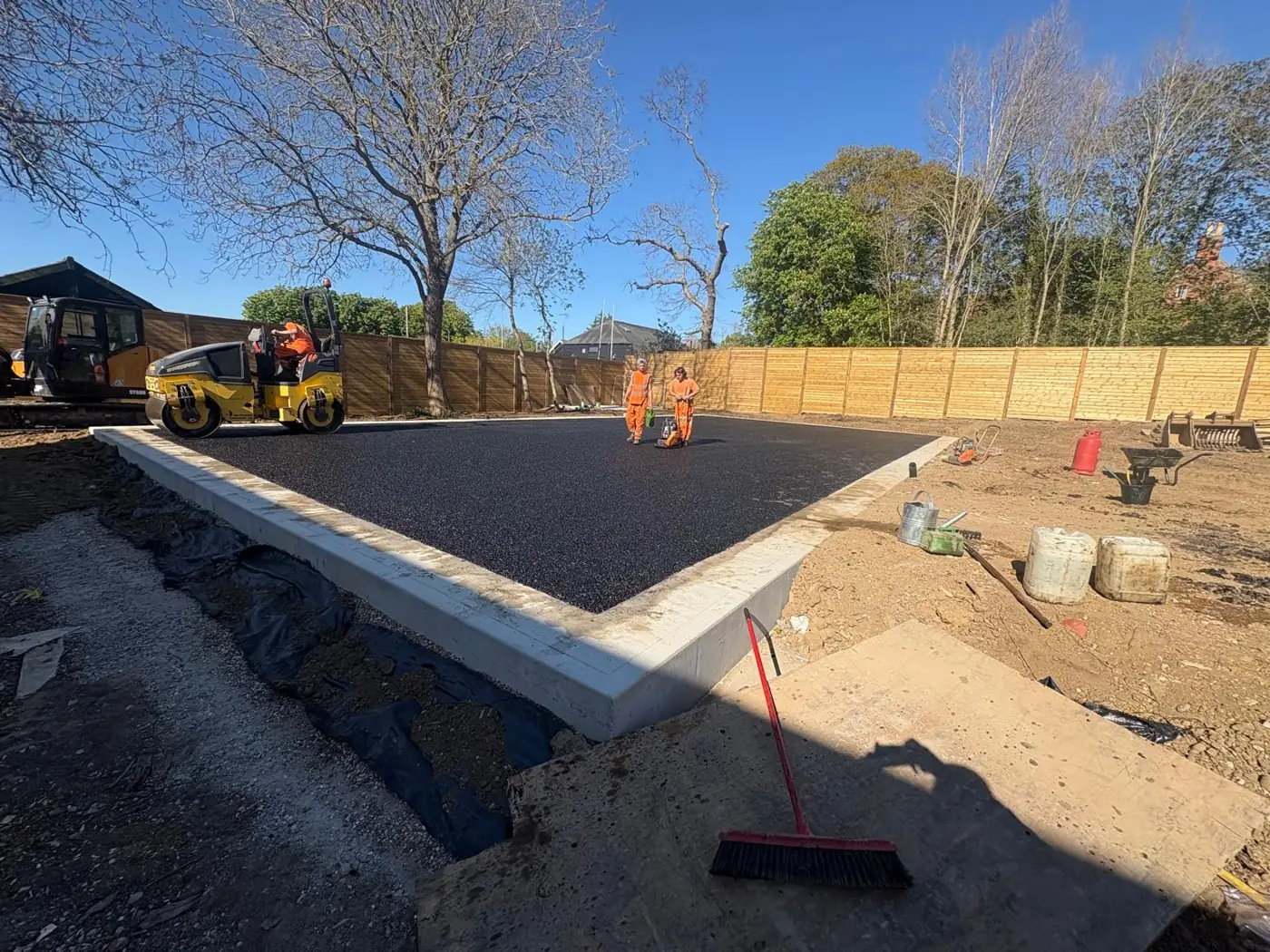
Concrete haunching being finished behind a new kerb line

02 / KERBING

How we set and haunch kerbs

Each kerb unit is bedded on a concrete base and haunched with concrete on the back and front to hold its line and level. This stops the kerb rocking or creeping once the road or driveway is in use. Getting the bed right matters more than the kerb itself: a kerb set on poor ground will crack or sink within a season or two, however good the unit is.

03 / IN DETAIL

Kerbing, done properly

What goes into the job, and what to expect from us.

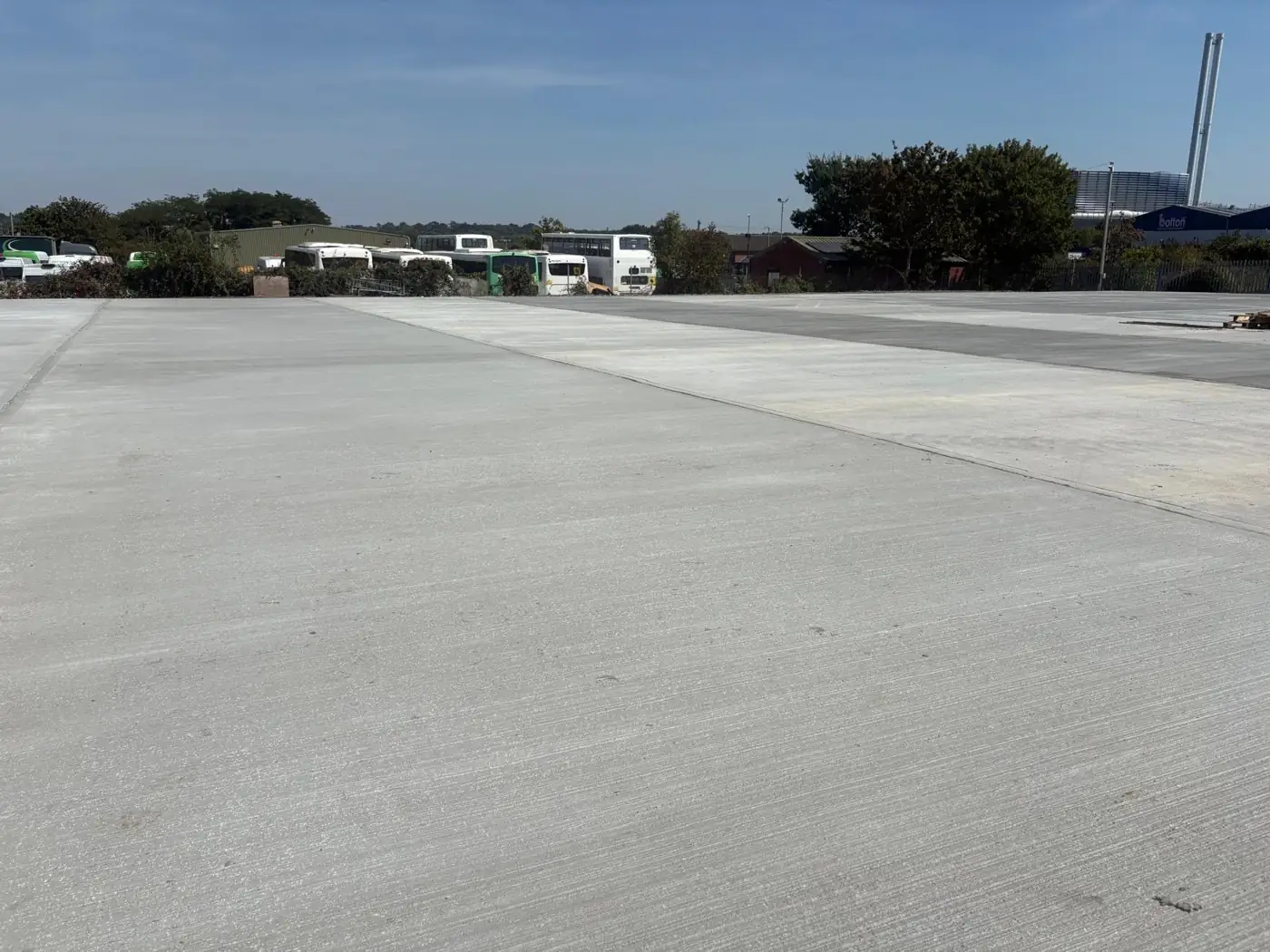
Section of kerb being replaced on an existing road edge01

Replacing damaged or sunken kerbs

If existing kerbs have cracked, sunk or been knocked out of line by traffic or tree roots, we dig them out, reset the bedding and relay with new or matching units. This is common on older driveways and estate roads, and on car parks that have had heavy vehicle use over the years.
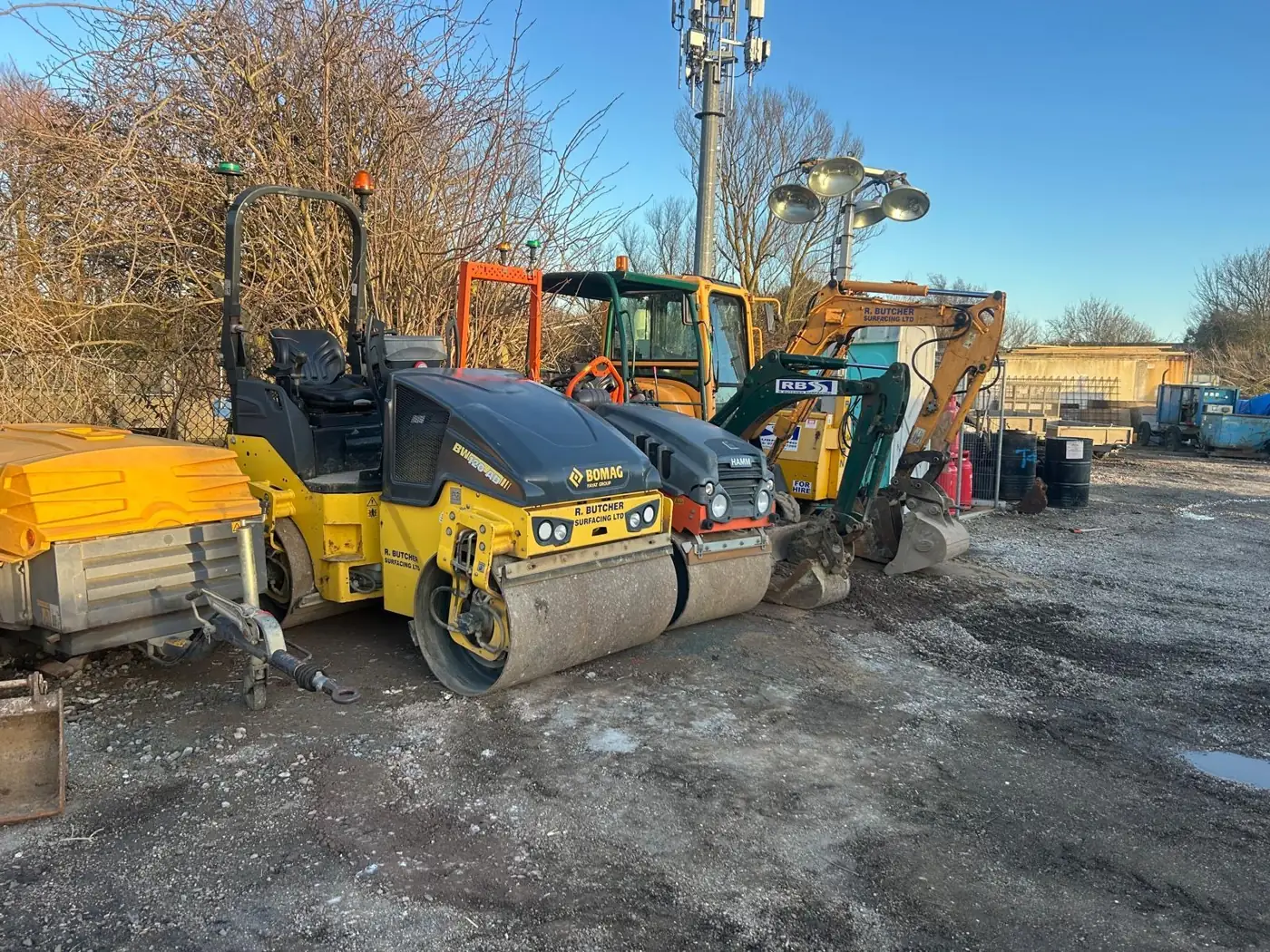
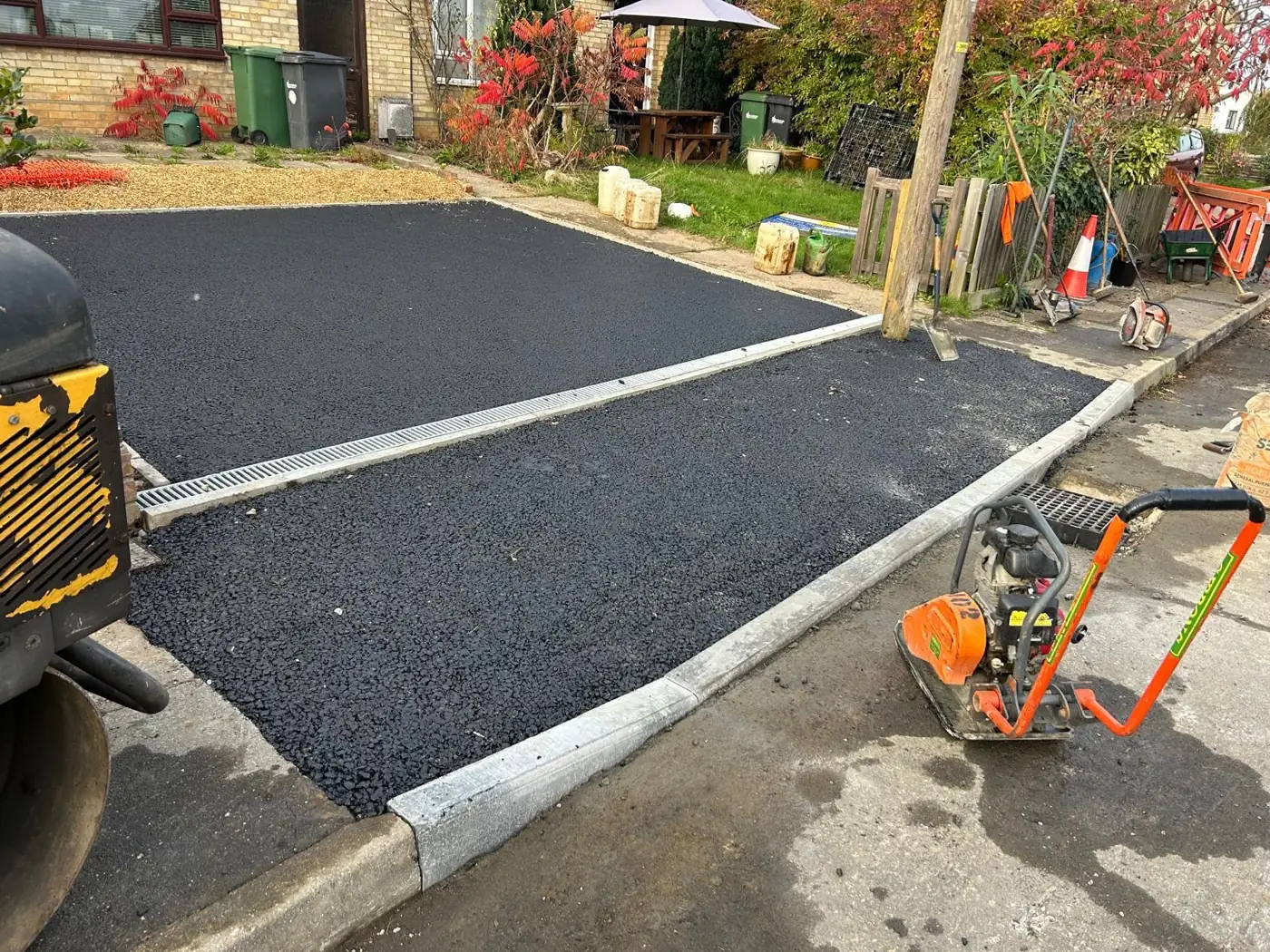
Work in progress and team02

Kerbing on new estates and developments

For housing developers and local authorities, we install kerb lines as part of new estate roads and car parks, working to the levels and layout agreed for the scheme. Kerbing is usually one of the first jobs on a new road, since it sets the lines that the surfacing and drainage then follow.

If you also need a dropped kerb for a new vehicle crossover onto a public highway, that's a separate job with its own council approval process. See our dropped kerbs page for more on that.

FAQS

Frequently asked questions

01

What's the difference between kerbing and a dropped kerb?

Standard kerbing edges a driveway, path or road and sits at its normal height. A dropped kerb lowers a section of kerb at the edge of a public highway so vehicles can cross the footway onto a driveway. Dropped kerbs onto a public highway need council approval, which standard kerbing does not.

02

How long does kerb installation take?

A straightforward driveway edging job can often be done in a day. Longer kerb runs on estate roads or car parks take longer and depend on ground conditions, how much old kerb needs digging out first, and whether drainage work is involved. We'll give you a time frame once we've seen the job.

03

Can you match existing kerbs when replacing a damaged section?

We'll do our best to match the profile and finish of your existing kerbs when replacing a damaged section, so the repair blends in rather than standing out. Exact colour matching on older concrete kerbs isn't always possible, since they weather over time.

04

Do kerbs need maintenance once they're laid?

Properly bedded and haunched kerbs need very little upkeep. Keep an eye out for cracking or movement after hard winters or heavy vehicle use, particularly at corners and entrances, and get any sunk or loose sections reset before they get worse.

Need kerbing installed or repaired

Tell us about your driveway, path, car park or estate road and we'll arrange a convenient time for a free, no-obligation quote.