
DROPPED KERBS

Dropped kerbs and vehicle crossovers across England

We install dropped kerbs, also known as vehicle crossovers, for driveways nationwide across England. A dropped kerb lets you drive on and off your property safely, without a step up from the road.

  • Dropped kerbs for driveways on public roads
  • Work on private land and new developments
  • We'll explain the approval process for your road
  • Free, no-obligation quote

FREE, NO-OBLIGATION QUOTE

Ask about dropped kerbs

Prefer to talk? Call 01206 304660. See our privacy notice.

Family owned. Personally delivered.Own fleet and plant. No middlemen.Based in Essex. Working nationwide across England.

01 / OVERVIEW

What a dropped kerb involves

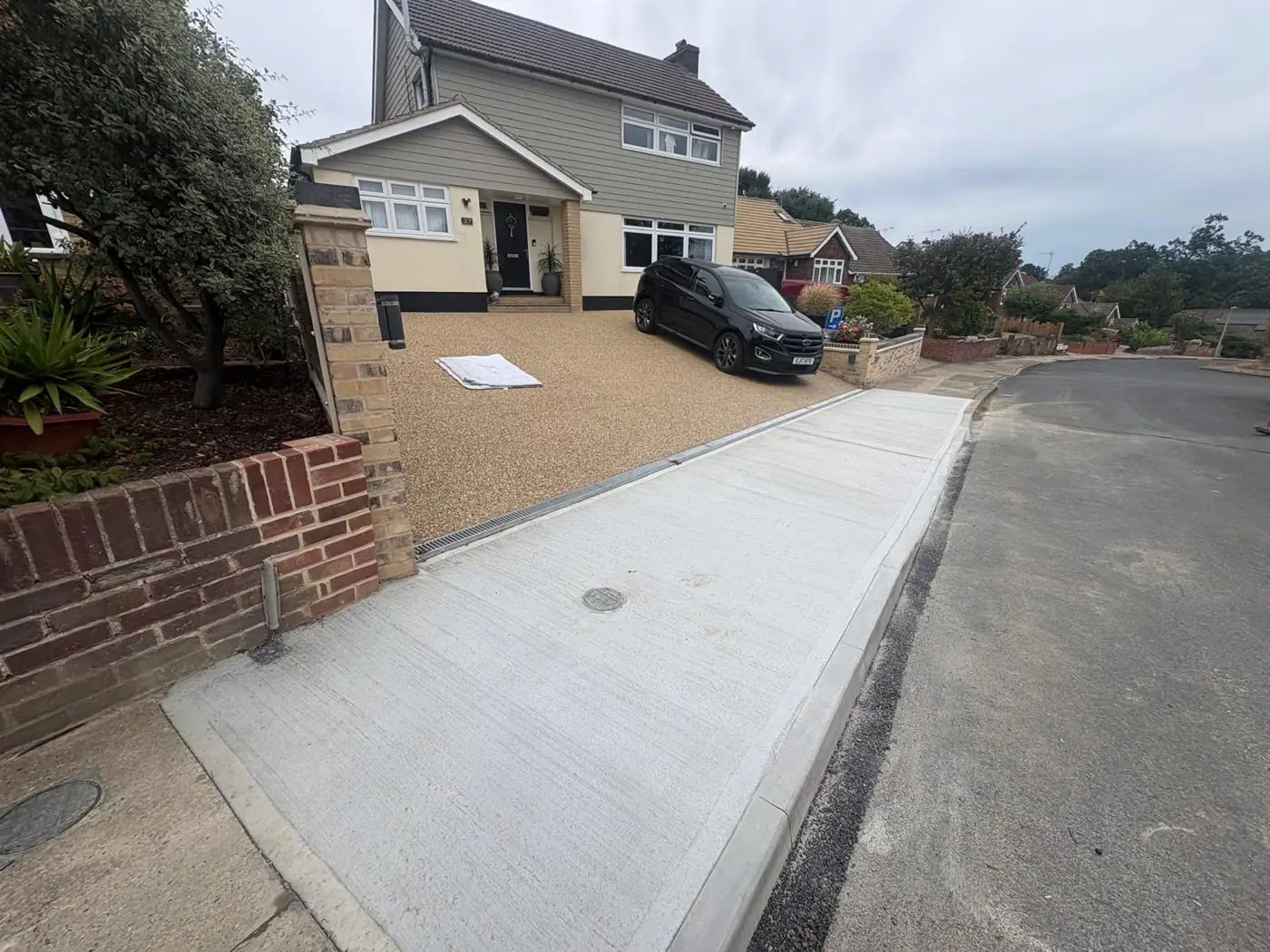
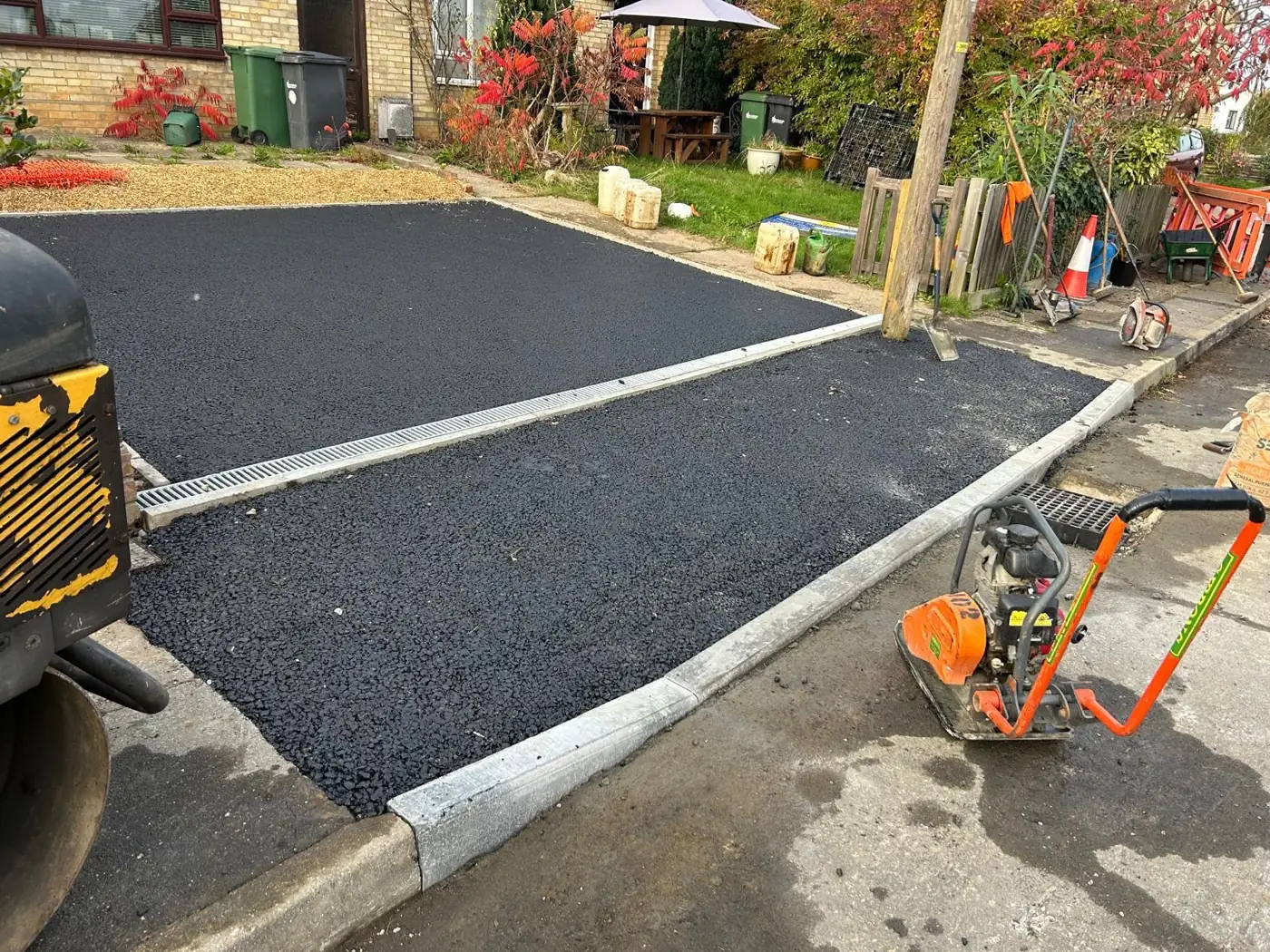
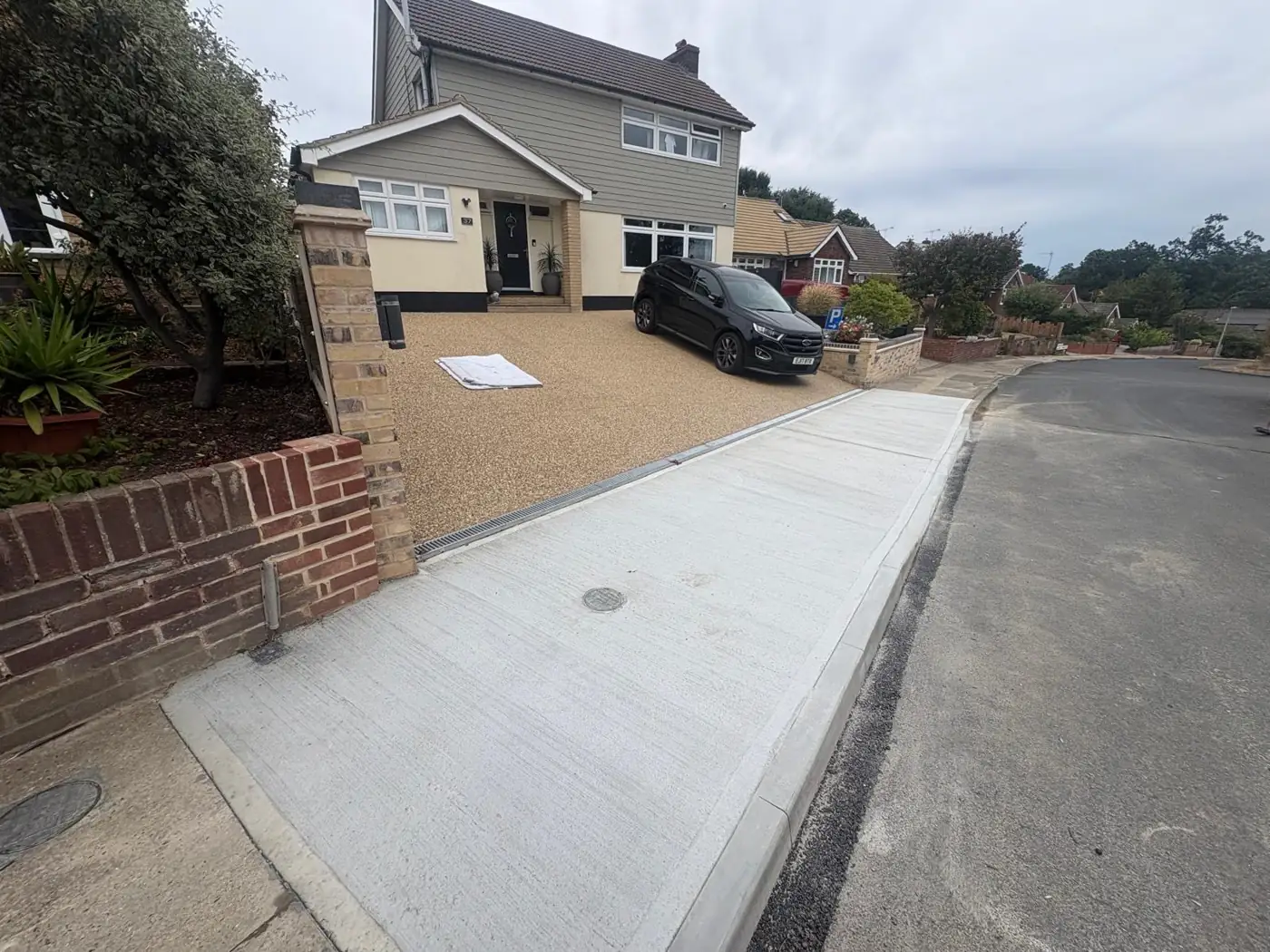
A dropped kerb lowers the kerb at the edge of a driveway so a vehicle can cross the footway smoothly rather than bumping over a raised kerb. It usually means lowering the existing kerb stones, reinforcing the footway underneath so it can take vehicle weight, and reshaping the dropped section so water still drains properly along the gutter.

It's a job that needs doing properly. A footway that isn't reinforced for vehicle weight can crack or sink over time, which is why we treat the groundwork under a dropped kerb with the same care as the surface on top.

Kerbs being set in place during installationDROPPED KERBS
Footpath and landscaping

02 / DROPPED KERBS

Permission for a dropped kerb on a public road

If your driveway opens onto a public road, you need permission from the relevant highway authority before a dropped kerb can be installed, usually your county or unitary council, or a London borough, depending on where you live. This is a legal requirement, not just good practice, because the footway and kerb belong to the highway authority rather than to you.

Many highway authorities only allow the work to be carried out by their own approved contractors, or they carry out the crossover work themselves once your application is approved. We can advise on the application process and what's needed for your specific road, and carry out any surfacing or groundwork that sits outside the authority's own remit.

03 / IN DETAIL

Dropped kerbs, done properly

What goes into the job, and what to expect from us.

Footpath and tactile paving near a kerb crossing01

Dropped kerbs on private land and new developments

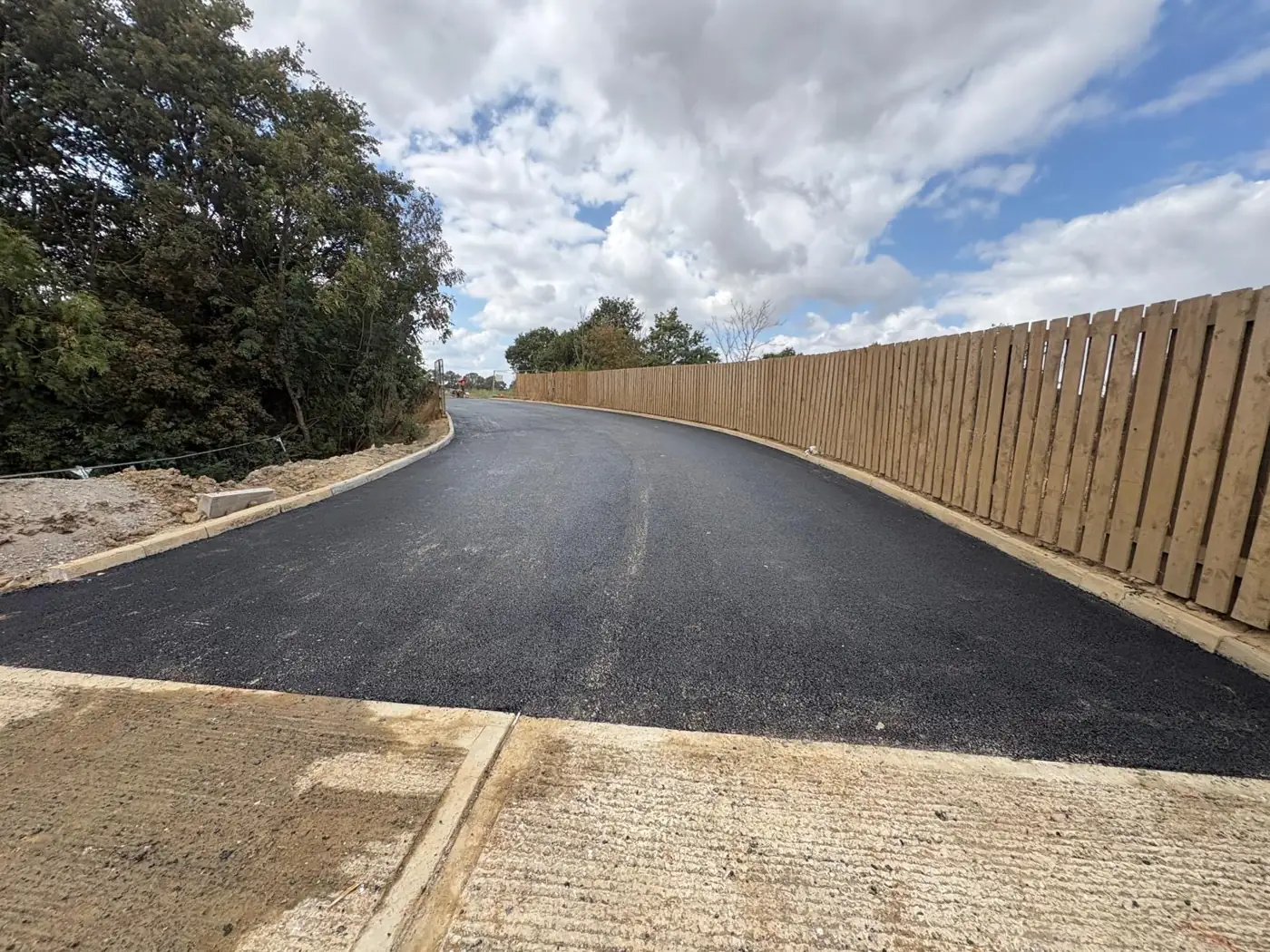
Where a dropped kerb sits entirely on private land, such as inside a development before the roads are adopted, the council approval process described above doesn't apply in the same way, though other site specific rules may still apply depending on the scheme. We install dropped kerbs and vehicle crossovers as part of road construction on new housing developments, working alongside developers from the groundwork stage through to the finished surface.

We also fit tactile paving at pedestrian crossing points where it's needed, so the crossing is clearly marked and usable for pedestrians with visual impairments, in line with standard practice at dropped kerb crossings.
FAQS

Frequently asked questions

01

Do I need permission for a dropped kerb?

Yes, if your driveway opens onto a public road, you need permission from the relevant highway authority, usually your county or unitary council, or a London borough, before any work starts. Without it, you can be asked to put the kerb back and may face enforcement action.

02

Can you apply for a dropped kerb on my behalf?

We can advise on what's needed and how the process generally works for your road, and carry out any surfacing or groundwork required. Some highway authorities require approved contractors or carry out the crossover work themselves, so we'll check what applies to your road.

03

How long does a dropped kerb take to install?

Once permission is granted, installing the dropped kerb and reinforcing the footway is usually a short job, often completed within a day or two for a standard driveway. Timing can depend on the highway authority's own process and any specific conditions attached to the approval.

04

Do I need a dropped kerb if my driveway is on private land?

If the crossing point is entirely within private land, such as inside a development before roads are adopted, the public highway approval process doesn't apply in the same way. We still build the crossover properly so it holds up to vehicle weight.

05

What is tactile paving and why is it used near dropped kerbs?

Tactile paving is the textured surface laid at pedestrian crossing points to help people with visual impairments identify where a dropped kerb meets the road. We fit it as standard at crossing points where it's required, alongside the kerb and footway work.

Get a free quote for a dropped kerb

Tell us about your driveway and road, and we'll arrange a convenient time to visit and talk through what's involved.